OpenAI expands “Deep Research”
January 17, 2026
With a new year comes a new and improved use for AI. In early January 2026, OpenAI expanded access to its Deep Research tool for all paid users. This feature is designed to move beyond simple chat responses and act as an independent research assistant.
The deep research feature uses a specialized version of OpenAI’s o3 reasoning model to perform multi-step tasks. Rather than giving an instant answer, the AI browses the web analyzing hundreds of sources including PDF’s, images, and data tables. It then generates a structured and compiled report with citations for fact checking. In addition, OpenAI also recently increased the query limits for “pro” users from 100 to 120 per month to meet the high demand from professional researchers.
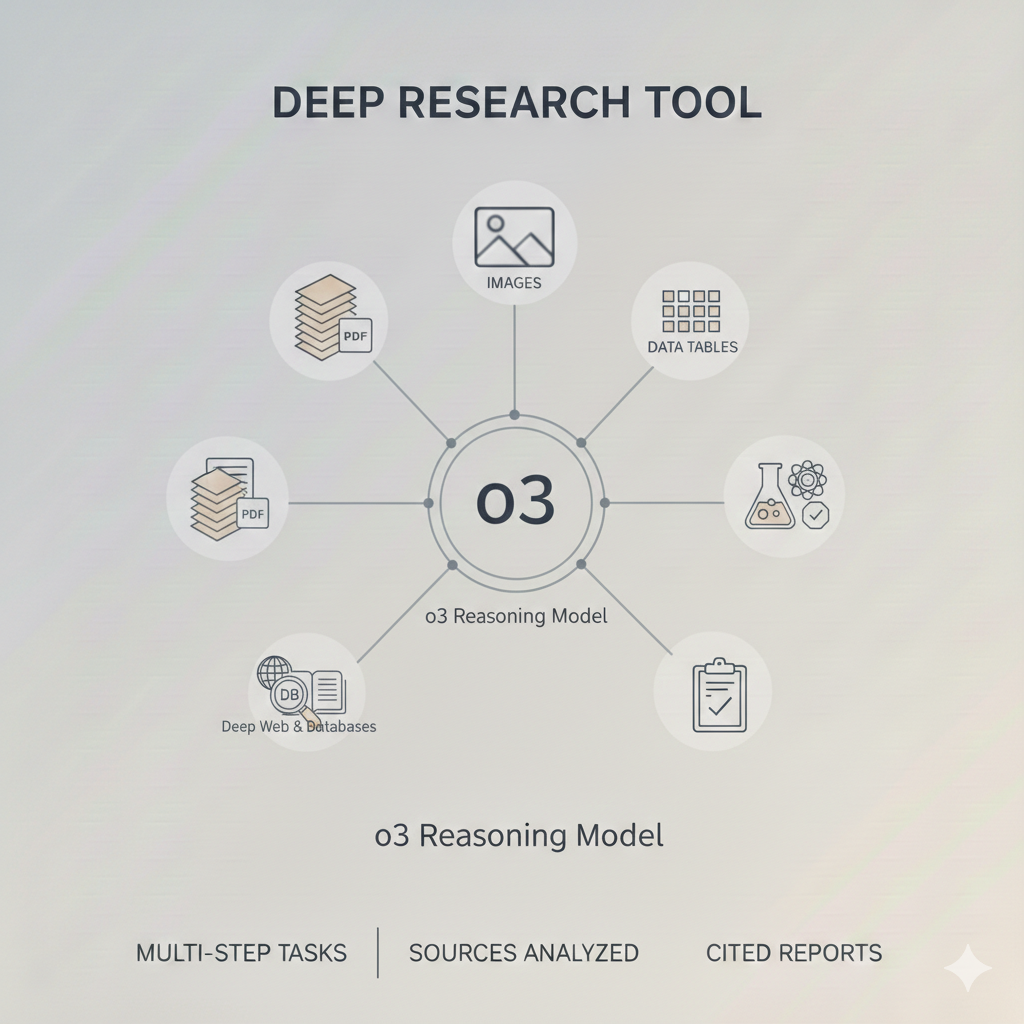
This feature adds to the “Agentic AI” trend. For years, AI has mainly been used to summarize one thing at a time. However, now we are entering an era where you give the overall goal to AI and it finds a way to reach it, cutting a lot of time out of the equation overall making research processes faster. OpenAI is suggesting that this tool is utilized for “knowledge-intensive” fields like finance and science where accuracy and deep digging are more important than getting a fast, short answer.
This feature is a game-changer for all research purposes as it provides a more in-depth starting point compared to traditional ChatGPT. Although, while I do see this feature reducing a lot of time on the initial research portion, I foresee a decent amount of time being spent on fact checking the information it provides. While I don’t think we are at a point where AI can do the whole research paper or project for you, I definitely think we are moving towards a more efficient way of doing research. One question I have lingering though, is if this feature only searches the general web or if it will also include things like google scholar and databases, as those are typically the type of sources wanted for research purposes.